
Coin Pusher Arcade Cards Session
Coin Pusher is a cards arcade drop where timing, not a spinning reel, decides whether coins and prize tokens slide over the front lip.
You join by choosing a stake, dropping coins onto the moving shelf, and collecting what falls into the prize tray.
Cards titles beside Coin Pusher


What Coin Pusher actually plays like
Coin Pusher is a cards-category arcade board, not a five-card showdown: a pusher arm shoves a crowded shelf, and only tokens that cross the front edge count.
The core feel is physical and visual. Coins stack, nudge special chips, and occasionally expose a side prize that falls on a later sweep. A Coin Pusher Demo lets you watch that motion before staking real credit, which is useful because the first drop rarely clears the lip by itself. phonejoy Coin Pusher keeps the same shelf logic on a phone canvas, so the useful skill is reading the edge rather than memorizing a payline.
Players who already know Super Bingo will notice a different pace. Bingo waits for a called pattern. This board reacts immediately to where your coin lands. If the front row is already hanging over the lip, one centered drop can finish the slide. If the shelf is flat, several drops only build height.
A practical Coin Pusher Demo session is short: drop a few coins, note whether the arm reaches the front row, and stop when the pile stops moving. That observation carries into phonejoy Coin Pusher without changing the rules.
How players describe a Coin Pusher round
Most notes focus on edge timing: a Coin Pusher round feels fair when the front coins visibly move, and disappointing when a drop lands behind a stuck pile.
Manila players often compare a Coin Pusher Demo with a mall machine. They want the same readable slide, not a hidden multiplier. A common comment is that phonejoy Coin Pusher is easier to follow on a small screen because the prize tray stays in view after each push. Another recurring point is stake size: small drops teach the rhythm, while jumping the stake does not move a stuck shelf faster.
Cebu comments tend to mention side tokens. In a Coin Pusher Demo, those tokens only matter if they reach the lip; sitting in the middle is not a win. Reviewers who also play Fruity Bonanza say the fruit slot pays on symbols, while this cards board pays only on what falls. That distinction stops people from treating a shiny chip as an automatic prize.
A quieter review theme is session length. phonejoy Coin Pusher works best in a few short drops rather than a long chase. Players who set a drop limit before opening the board report fewer regrets than players who keep feeding a pile that has stopped shifting. The phonejoy apk is mentioned only as a way to keep the same board on a handset, not as a change to the rules.
Taken together, the useful review is simple. Watch the front row, use a Coin Pusher Demo to learn the sweep, then stake only what you planned for phonejoy Coin Pusher.
Shelf views from the Coin Pusher board
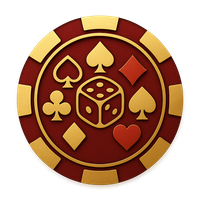
The only local artwork for this title is the cards icon, and it already shows the crowded coin field that the live board uses.
Looking at that Coin Pusher image, the useful detail is the dense field rather than a character portrait. Coins sit in overlapping rows, which matches how a live drop has to land on an existing pile before the arm can move it. A Coin Pusher Demo uses the same visual cue: if the front row looks flush with the lip, the next push is the one worth watching.
phonejoy Coin Pusher does not add a second screenshot set. The icon, the shelf, and the prize tray are the interface. Related cards art for 5 Card Poker, Cards Hi Lo, Coin Toss, and Color Game uses the same compact icon treatment, so this page does not invent extra gallery frames. If you want a contrasting symbol board after this view, Fortune Gems shows a reel layout instead of a sliding shelf.
Open Coin Pusher after the edge check
The sensible moment to start is after you have seen whether the front row is already hanging. Coin Pusher rewards that check more than a blind first drop.
A Coin Pusher Demo is the low-pressure way to confirm the sweep. When the motion is clear, phonejoy Coin Pusher is the same board with a chosen stake. Local phonejoy payments, including familiar e-wallet options, are handled in the account area before play, so the board itself stays focused on drops. The phonejoy apk is optional if you prefer the installed handset view; the browser session uses the same cards rules.
Set a drop limit first. A clear shelf is a reason to play one planned round, not a reason to raise the stake mid-session.
A short Coin Pusher path from look to drop
The whole path is four checks: identify the cards shelf, practice the sweep, set a stake, then stop when the front row stops moving.
First, open the Coin Pusher icon and confirm you are looking at a pusher shelf, not a poker hand. Second, run a Coin Pusher Demo and watch one full arm sweep before spending. Third, choose a stake that matches one short session of phonejoy Coin Pusher. Fourth, drop toward the front row only while coins are still shifting.
Funding stays outside the board. Confirm phonejoy payments in the account screen, then return to the shelf. If you use the phonejoy apk, the same four checks still apply; the install does not add extra drops. When the pile flattens, the session is finished even if special tokens remain in the middle.
Coin Pusher points worth keeping
Remember three facts: only tokens over the lip count, a Coin Pusher Demo teaches the sweep, and phonejoy Coin Pusher does not change that rule on mobile.
Coin Pusher belongs to the cards list because it sits with compact table-style titles, yet its decision is physical timing. A shiny chip in the center is not a result. The result is what reaches the tray. Keep the phonejoy apk and phonejoy payments steps separate from gameplay so a funding choice never becomes an excuse to extend a flat shelf. Stop on the plan you set before the first drop.